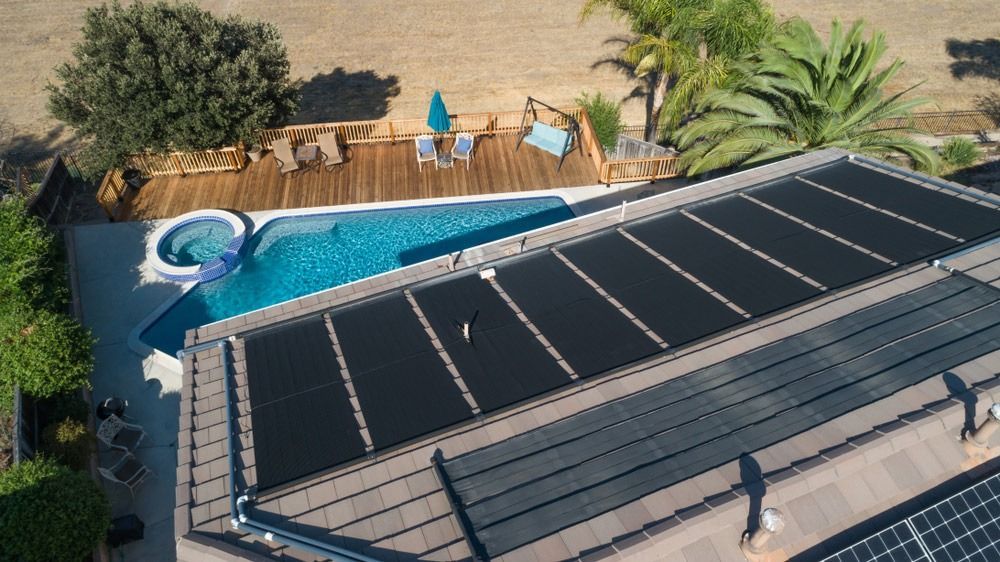
How To Choose The Right Solar System For Your Central Coast Home

Researching solar power on the Central Coast can feel overwhelming fast. Panel wattages, inverter types and battery talk pile up while you are still trying to decide how many kilowatts you actually need. This guide turns the tech into plain English so you can match a system to your roof, your bills and your future plans. We will cover size, quality, inverters, batteries and local factors that matter on the Central Coast.

Step 1: Understand Your Energy Use

Start with facts from your last four power bills. You need average daily kWh and how that changes across seasons. Then list the big loads at home and when you run them. Daytime use is easiest to offset with solar. Night loads may push you toward a battery later.

Quick audit:

  • Average daily kWh in summer and winter
  • Appliances with heavy demand: ducted air, pool pump, electric hot water, dryers, EV charging
  • Work hours and routines that shift demand into daylight

Knowing when you use power helps you choose the right system size and whether export limits will affect your savings.

Step 2: Choose A System Size That Fits Life Now — & Later

Most homes land between 6.6 kW and 10 kW, though larger systems are common when you run pools or plan an EV. Bigger arrays harvest more in winter and cloudy weather which smooths bill shock, but exports can hit network limits. Aim to size for strong daytime self-consumption first, then consider future loads like EVs or heat-pump hot water.

Simple rule of thumb:

  • Light users or small roofs: ~5–6.6 kW
  • Family homes or pool owners: ~8–10 kW
  • EV now or soon, or all-electric living: 10 kW+

Your installer should model yield and self-consumption with your bills, not guesswork.

Step 3: Pick Panels For Output And Staying Power

Panel labels look similar. The difference shows after coastal summers and storms. Focus on proven brands with solid local support, not just peak wattage on the box.

What to look for:

  • Product warranty: 12–25 years on workmanship
  • Performance warranty: 25–30 years with realistic degradation rates
  • Independent testing: salt mist certification and hail impact ratings
  • Temperature coefficient: lower is better for hot roof days
  • Cell tech: high-efficiency mono PERC or TOPCon are common strong choices

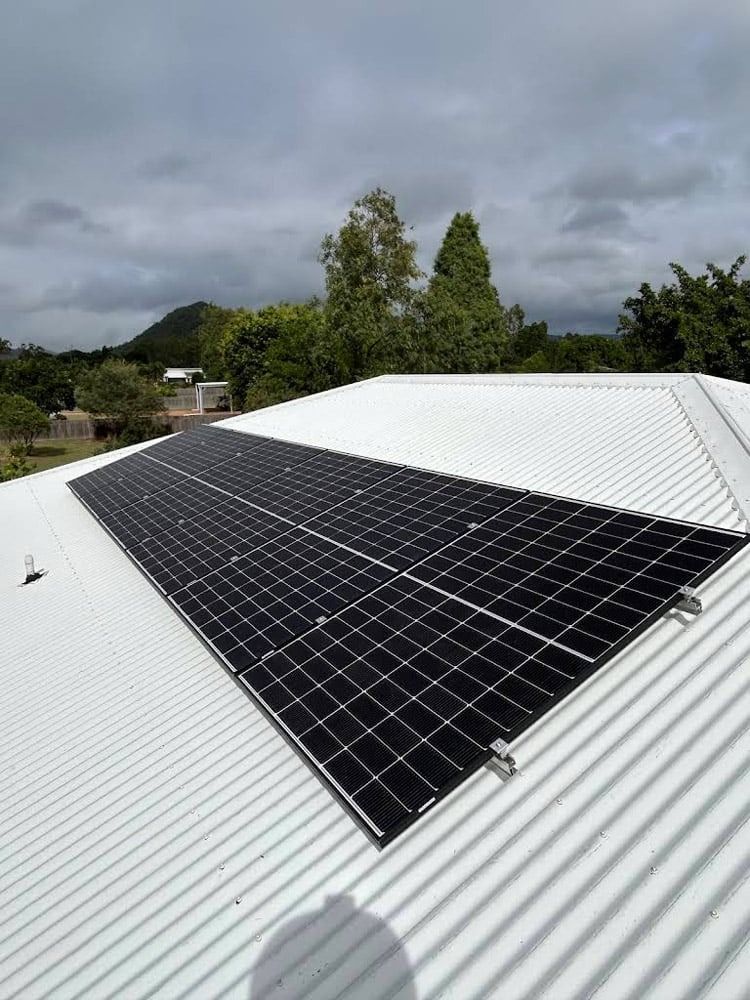
Black-on-black panels look sleek but can run warmer. If roof heat is a concern, weigh looks against temperature performance.

Step 4: Match The Inverter To Your Roof & Goals

The inverter is the system’s brain. Choose the topology that suits your layout.

  • String inverter: efficient and cost effective for simple roofs with one or two unshaded faces
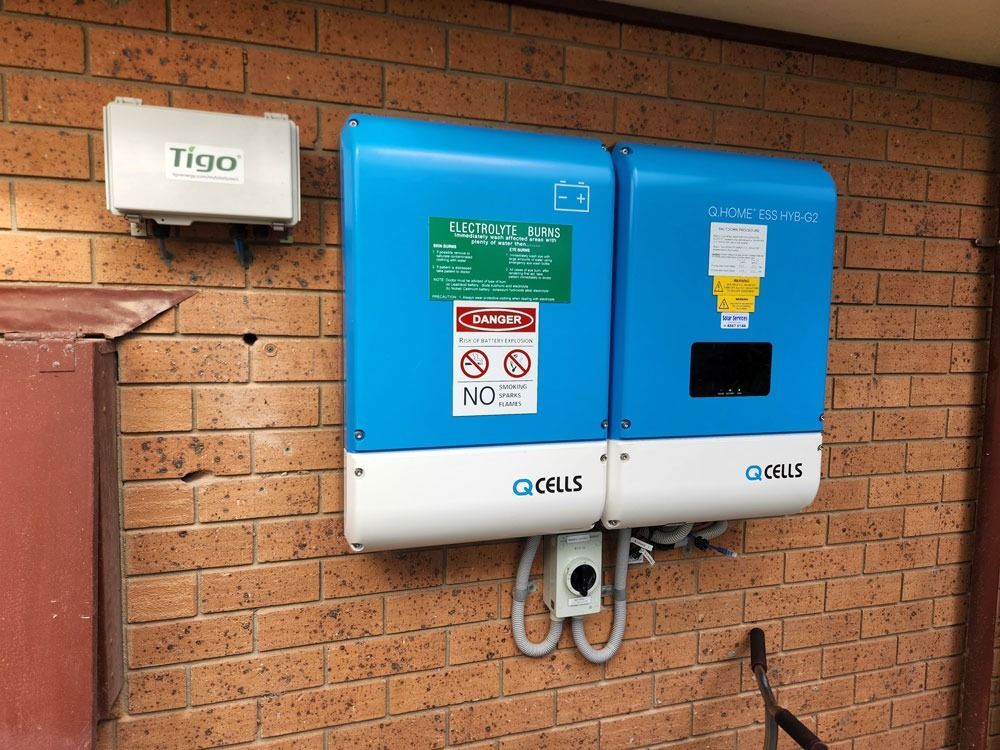
  • String with DC optimisers: adds module-level control where partial shade or mixed orientations exist
  • Microinverters: module-level inversion that shines on complex roofs or where shade moves through the day

Ask for panel-level monitoring if shade is seasonal or you want granular insight. In all cases, confirm the inverter’s surge capacity and warranty, and make sure it is installed in a cool, ventilated spot out of direct sun.

Step 5: Think About Batteries The Right Way

A battery is not mandatory on day one. It makes the most sense when your night use is high, your feed-in tariff is low, or you want backup for outages.

Consider:

  • Capacity: many homes start around 10–13 kWh
  • Hybrid readiness: a battery-ready inverter today keeps options open
  • Backup circuits: decide which circuits stay on during an outage
  • Warranty cycles: look for meaningful throughput guarantees, not just years

If budget is tight, install a robust solar array with a hybrid inverter now, then add a battery when tariffs or your usage make the payback clear.

Step 6: Design For Central Coast Conditions

Local climate and salt air shape good design.

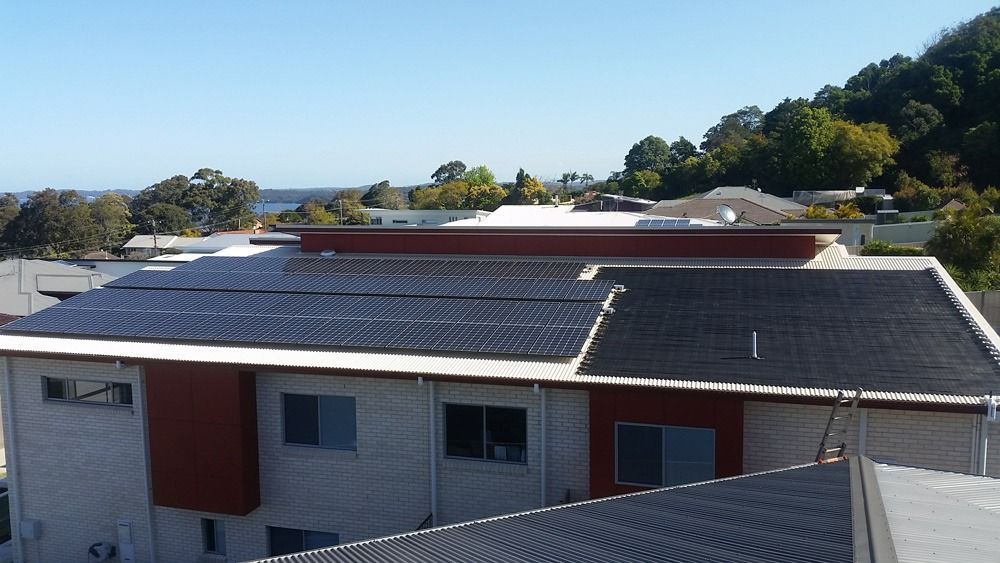
  • Orientation and tilt: north is strongest overall, east-west spreads generation across the day. A modest tilt improves winter yield and rain washing
  • Shade mapping: check trees, neighbouring second storeys and TV antennas through the seasons
  • Corrosion resistance: marine-grade fasteners and racking with documented salt-mist testing
  • Roof integrity: confirm fixings hit rafters, use proper flashing and leave service clearances for future roof work

A tidy design with clear cable runs, labelled isolators and neat conduit protects the system and keeps service simple.

Step 7: Don’t Ignore The Balance-Of-System

Small parts make big differences to safety and longevity.

  • Racking and fixings: certified rails and stainless fasteners sized to your wind region
  • DC isolators and cabling: quality components reduce heat and moisture risks
  • Monitoring: app or portal that shows production, consumption and exports in real time
  • Compliance pack: single line diagram, datasheets and commissioning report

If a quote skimps on these details, ask for clarity before you sign.

Step 8: Plan For An EV The Smart Way

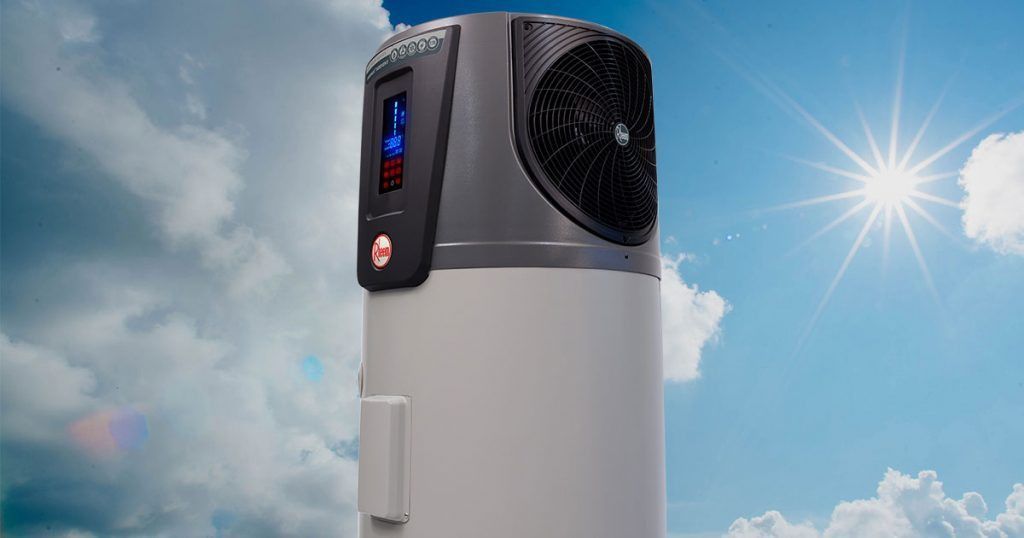
EV charging changes the maths. A 7 kW charger can double daytime load. If an EV is on the horizon, size the solar array up a step and discuss a charger that can follow solar output. A heat-pump hot water system on a timer is another smart sink that soaks up midday generation before you export.

EV-friendly setup:

  • 8–10 kW+ solar array
  • Hybrid inverter or battery-ready design
  • Smart charger with solar tracking
  • Tariff plan that rewards off-peak top-ups

Step 9: Compare Quotes Like-For-Like

Line items should be specific so you are not buying on brand names alone.

  • Panel make and model, quantity and total kW
  • Inverter type and monitoring inclusions
  • Racking brand, fixings and corrosion rating
  • Labour, metering changes, switchboard work and any export limiters
  • Warranties for parts and workmanship
  • Post-install support, service call process and response times

Favour installers who visit your home, check roof structure and talk through shading rather than quoting from satellite photos only.

Step 10: Know The Maintenance Basics

Solar is low maintenance, not no maintenance. Keep an eye on the monitoring app for sudden drops. Rinse panels only if safe access and heavy buildup exist. Have a licensed technician check connections and isolators as recommended. Trim trees that start to shade more of the array each year.

Smart Ways To Boost Payback

  • Shift laundry, dishwasher and pool pumps into solar hours
  • Set hot water to heat in the middle of the day if you run a heat pump
  • Use appliance timers so loads start after production rises
  • Review your electricity plan each year as tariffs change

Small routine changes raise self-consumption and shorten payback without costing a cent.

Book Solar Services — Solar Power on the Central Coast

We at Solar Services design and install systems for local roofs, salty air and real family schedules. If you want a clear plan for solar power on the Central Coast, we will measure your usage, map shade, model payback and recommend panels, inverters and battery options that fit your goals. Get in touch to request a quote. Share your recent bills and roof photos and we will map a system that works hard from the first sunny day.