Solar energy is no longer a fringe technology—it’s become a practical and increasingly popular way for Australian households and businesses to reduce energy bills and reliance on the grid. But if you’re starting your solar journey, the process can feel overwhelming. From how the systems work to what you can expect in savings, there are plenty of questions to be answered before leaping.
This guide addresses some of the most frequently asked questions about solar power on the Central Coast, helping you better understand what’s involved and how to maximise your investment. Whether you’re curious about rebates, system lifespan or whether you really need a battery, we’ve got you covered.
How Do Solar Power Systems Actually Work?
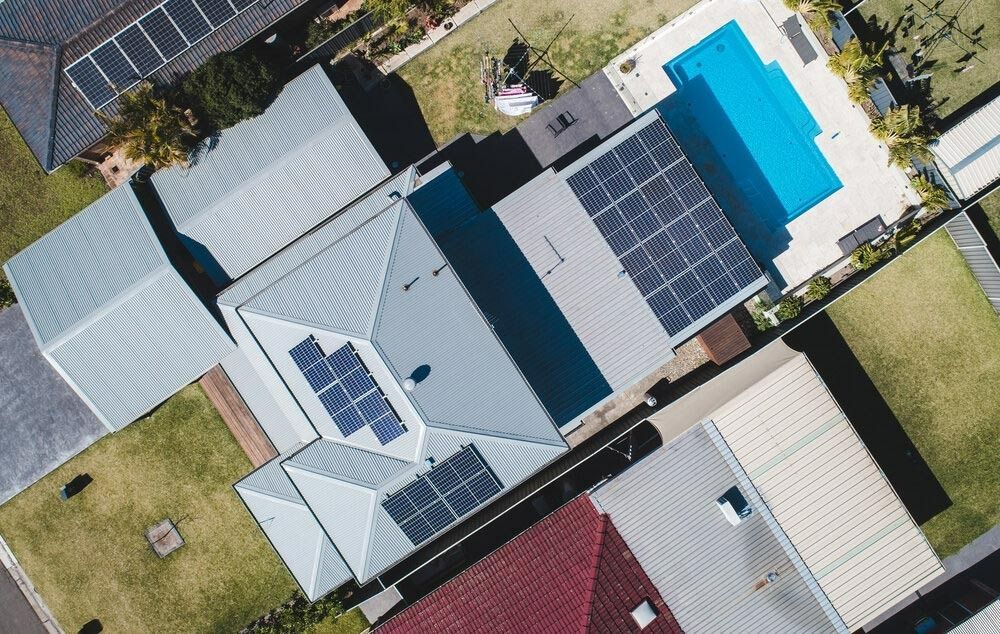
At their core, solar systems are relatively simple. Solar panels installed on your roof capture sunlight and convert it into direct current (DC) electricity. That electricity then passes through an inverter, which converts it into alternating current (AC)—the type of electricity used in Australian homes.
From there, the electricity is distributed through your home or business, powering lights, appliances and electronics. Any unused electricity can either be stored in a battery (if installed) or sent back to the grid, often earning you feed-in tariffs from your energy provider.
Here’s a quick breakdown:
- Solar Panels: Capture sunlight and produce DC electricity
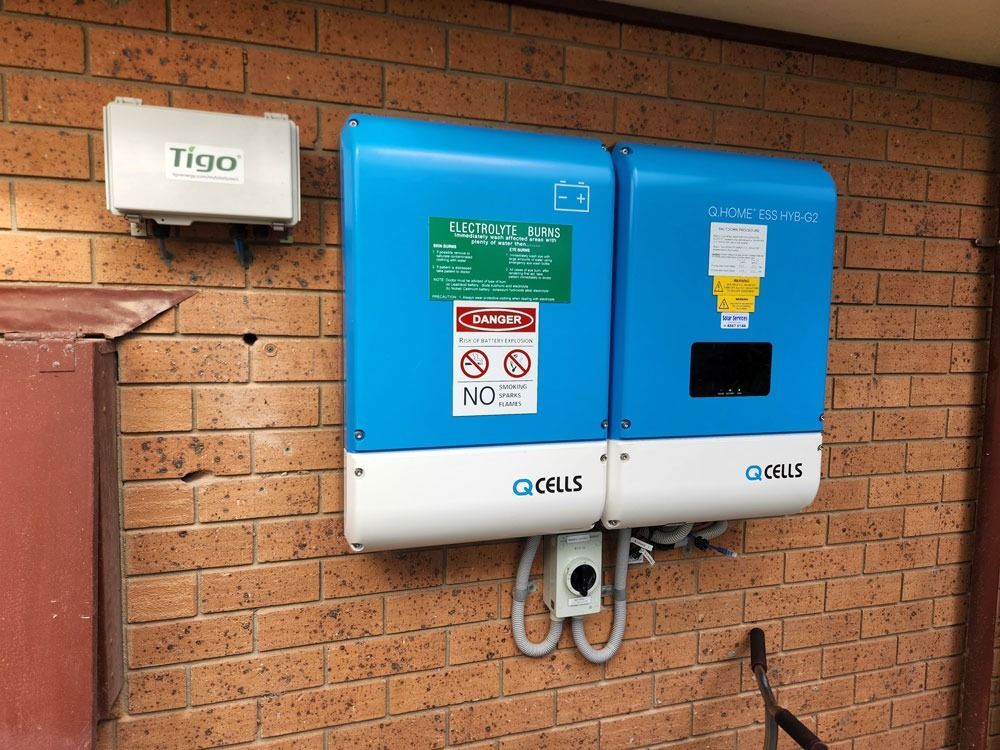
- Inverter: Converts DC to usable AC power
- Meter: Tracks electricity usage and exports
- Grid Connection: Sends excess energy to the grid or draws from it when needed
What Are the Upfront Costs & Long-Term Savings?
One of the most common concerns for homeowners is the cost of a new solar system. While prices can vary based on system size and component quality, the good news is that solar has become more affordable in recent years—especially when you factor in government incentives and long-term bill savings.
On the Central Coast, a standard residential system (around 6.6kW) typically costs between $4,500 and $8,000, depending on the components and installation requirements. Higher-end systems or those with battery storage will naturally cost more.
What You’re Paying For:
- Solar panels and an inverter
- Mounting hardware and electrical components
- Installation by a licensed solar electrician
- Monitoring systems (optional)
Savings Over Time:
- Most systems pay for themselves in 3 to 5 years
- Expect electricity bills to drop by 50% to 90%
- Feed-in tariffs can provide credits for excess solar generation
A properly designed solar power system can deliver thousands in savings over its lifetime.
Are Government Rebates or Incentives Available for Solar?
Yes—government incentives remain one of the key reasons solar energy is so accessible for households. The main support comes from the Small-scale Renewable Energy Scheme (SRES), a federal program that provides an upfront discount on eligible systems through Small-scale Technology Certificates (STCs).
In most cases, this discount is already factored into your quote by your installer.
Common Solar Incentives:
- STCs (Federal): Upfront discount based on system size and location
- Feed-in Tariffs: Paid by your energy retailer for exported electricity
- Interest-Free Loans (State-based): May be available depending on future NSW programs
It’s essential to work with a qualified installer who can apply the STC discount for you and guide you through any additional incentives.
How Much Maintenance Do Solar Panels Require?
One of the biggest advantages of solar energy solutions is that they’re low maintenance. Once installed, most solar systems require minimal attention, aside from basic cleaning and periodic inspections.
Keeping your panels free of dust, leaves, or bird droppings helps maximise efficiency. For most homeowners, a simple hose-down every six months is enough. In coastal areas, salt residue may accumulate more quickly, so you may need to clean more frequently.
Professional servicing every 2 to 3 years is recommended to inspect electrical components, confirm inverter function and ensure all panels are performing as expected. Most installers also offer performance monitoring options to track system output.
Do I Need a Battery with My Solar Panel Installation?
Not necessarily. Battery storage is an optional component, but it’s becoming increasingly popular among those seeking greater energy independence or protection against blackouts.
Without a battery, your system operates in what’s called a grid-tied mode—using solar energy during the day and drawing from the grid at night. A battery stores excess solar energy for later use, allowing you to rely less on the grid.
When a Battery May Be Worth It:
- You use most of your electricity in the evening
- You want backup power in case of outages
- You’re aiming for off-grid or near-zero energy bills
- You want to store excess solar rather than exporting at low feed-in rates
For many homes, starting with a battery-ready system makes sense—you can always add storage later.
How Does the Central Coast Climate Affect Solar Energy Production?
The Central Coast boasts a mild, sunny climate, making it an ideal region for solar energy generation. On average, the area receives over 4 hours of full sun per day across the year, with peak generation occurring between 10 am and 3 pm.
Summer brings longer daylight hours, increasing production, while winter may see slightly reduced output due to cloud cover. However, solar panels don’t need direct sunlight to work—they can still generate electricity on overcast days, albeit at lower efficiency.
Solar energy solutions installed on the Central Coast are generally:
- Highly efficient due to mild temperatures (panels operate better in cooler conditions)
- Reliable year-round thanks to consistent sunshine
- Suited to both coastal homes and inland properties
What’s Involved in the Solar Panel Installation Process?
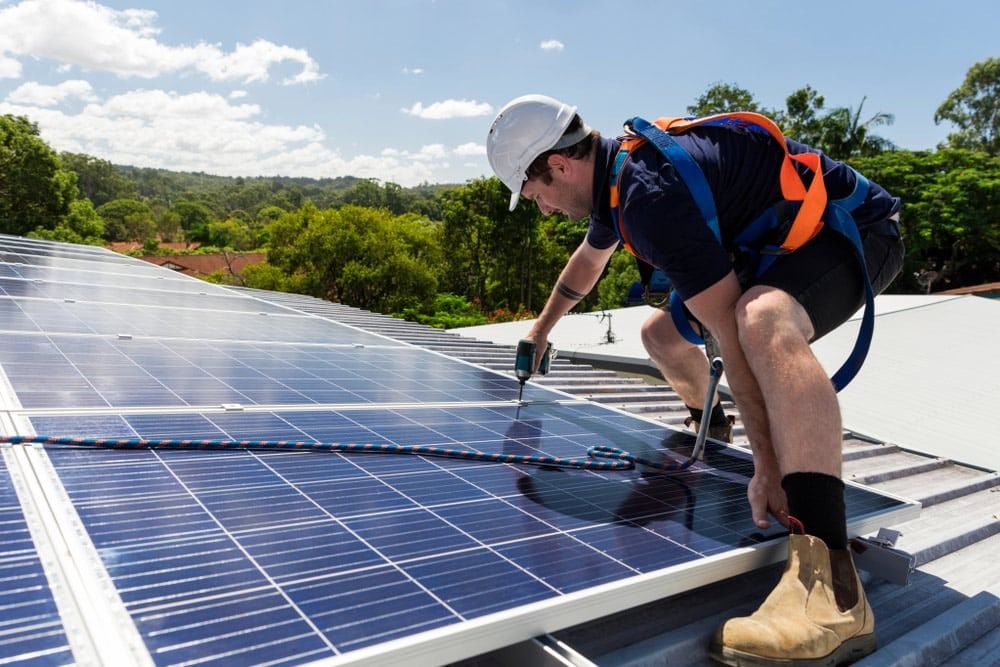
Getting solar installed is a straightforward process, particularly when working with a professional local provider. Here’s what to expect:
Step-by-Step Overview:
- Site Assessment: Roof orientation, shade analysis, energy usage review
- Quote and System Design: Customised to your needs and property
- Rebate Application: STCs applied by the installer
- Installation: Usually completed within 1-2 days
- Inspection & Grid Connection: Final approval by your electricity retailer or distributor
A reputable provider will manage all compliance paperwork and ensure the system is tested and appropriately grid-connected before handing over.
How Long Do Solar Power Systems Last?
Modern solar power systems are built to last, with many components carrying long warranties and performance guarantees.
Typical Lifespan:
- Solar Panels: 25–30 years
- Inverter: 10–15 years (may need replacement once during system life)
- Battery (if installed): 8–15 years, depending on usage and brand
Most quality panels will still produce at least 80% of their original output after 25 years, making solar a substantial long-term investment.
Ready to Make the Switch to Solar?
At Solar Services Central Coast, we’re here to simplify the journey to cleaner, more affordable energy. From designing a system that fits your lifestyle to handling installation and support, we make it easy to get started with solar power on the Central Coast. We’re ready to help you take control of your energy future with confidence. Contact us today!