Difference Between Solar Power & Solar Energy

Are you considering switching to solar and wondering whether “solar power” and “solar energy” mean the same thing? Many Central Coast residents find these terms confusing — especially when comparing solar systems or speaking to installers. Understanding the difference can help you make clearer decisions when choosing a solar setup for your home or business.

In this blog, we break down the difference between solar power and solar energy, explain how they apply to real-life systems, and why it matters when selecting the right solar services on the Central Coast.

What Is Solar Energy?

Solar energy refers to all energy emitted from the sun. It reaches Earth in the form of heat, light, and radiation. This natural energy source can be harnessed in several ways — from warming your house through a north-facing window to powering a solar hot water system.

It’s the broader term used to describe all usable forms of sunlight, including:

  • Thermal energy: Heat from the sun is used to warm buildings or heat water.
  • Light energy: Sunlight is used for natural lighting or is converted into electricity.
  • Electromagnetic radiation: A combination of light and other energy waves that can be captured using various technologies.

Solar energy is unlimited, renewable, and clean — making it a valuable resource for both residential and commercial settings on the Central Coast.

What Is Solar Power?

Solar power is the converted form of solar energy — specifically, the electricity generated through solar panels. It’s what powers your lights, appliances, or feeds back into the grid.

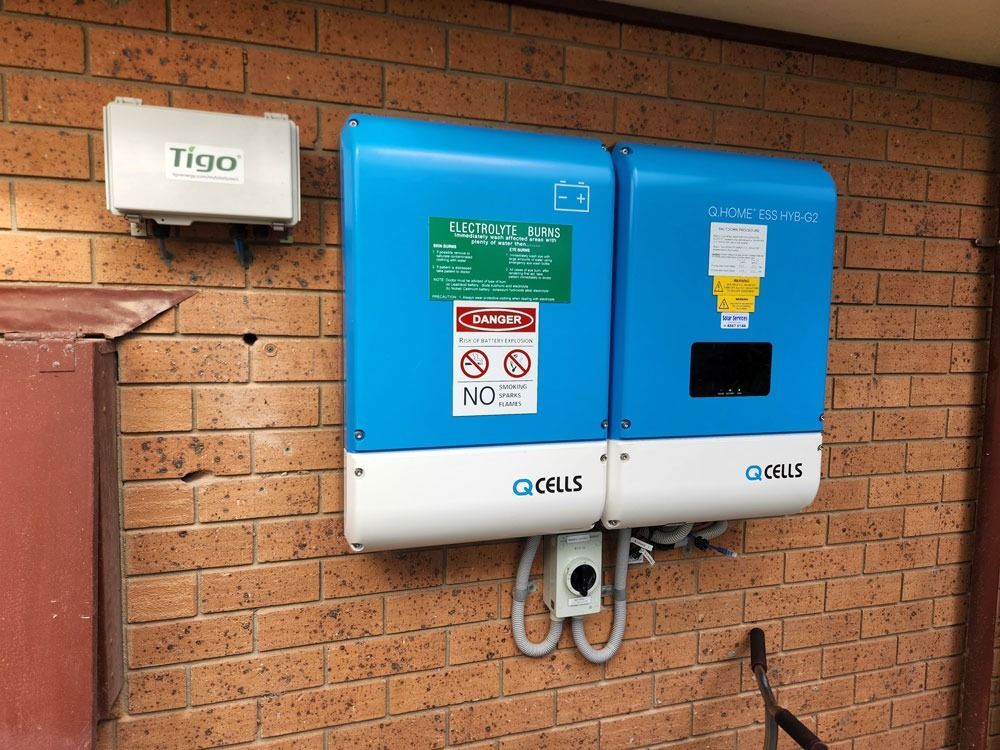
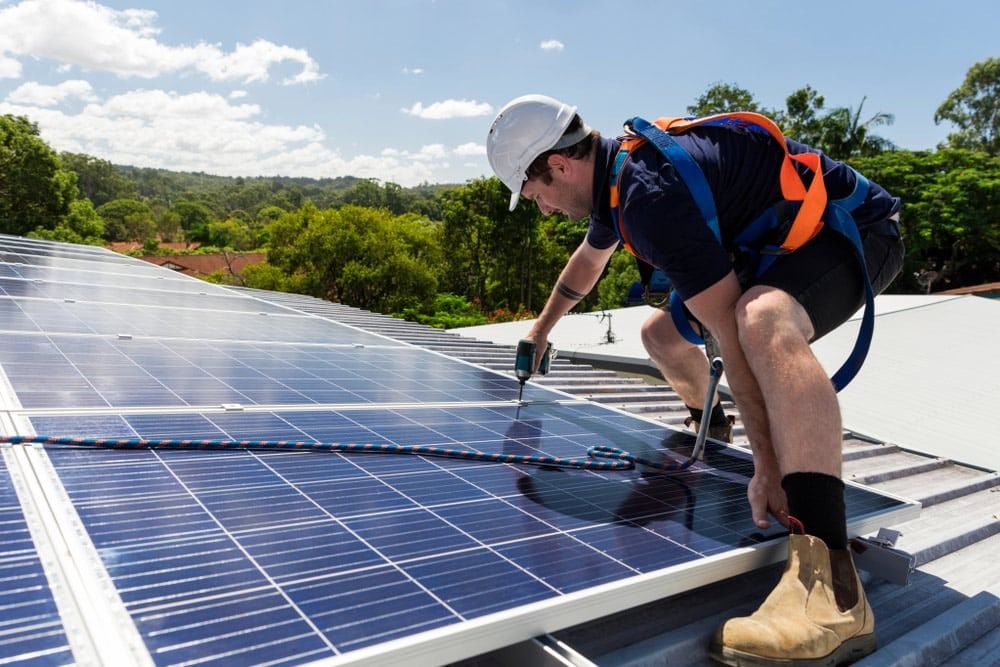
When solar panels are installed, they use photovoltaic (PV) cells to absorb sunlight and convert it into direct current (DC) electricity. That electricity then passes through an inverter to become alternating current (AC), which can be used in your home or business.

So, while solar energy is the sunlight itself, solar power is the usable electricity generated from that energy.

Why Understanding the Difference Matters

Knowing the distinction helps when speaking with installers, comparing system types, or reviewing quotes. Some technologies rely on solar energy (like passive solar design or solar water heating), while others generate solar power (like grid-connected solar systems).

Here’s why this matters:

  • Correct system selection: You’ll better understand whether you’re buying a solar electricity system (solar power) or a system that uses solar heat (solar energy).
  • Better communication: You can speak confidently with installers and suppliers using the correct terms.
  • Improved maintenance: Understanding your system helps you manage performance, monitor output, and address any concerns.

Real-World Examples in Central Coast Homes

To make it clearer, here are some practical examples of both terms in action around the Central Coast.

Example 1: Solar Energy Application

A family home with large north-facing windows and tiled flooring may be using passive solar energy. The heat from the sun warms the home during the day, reducing the need for artificial heating. This is solar energy at work, but not solar power.

Example 2: Solar Power System

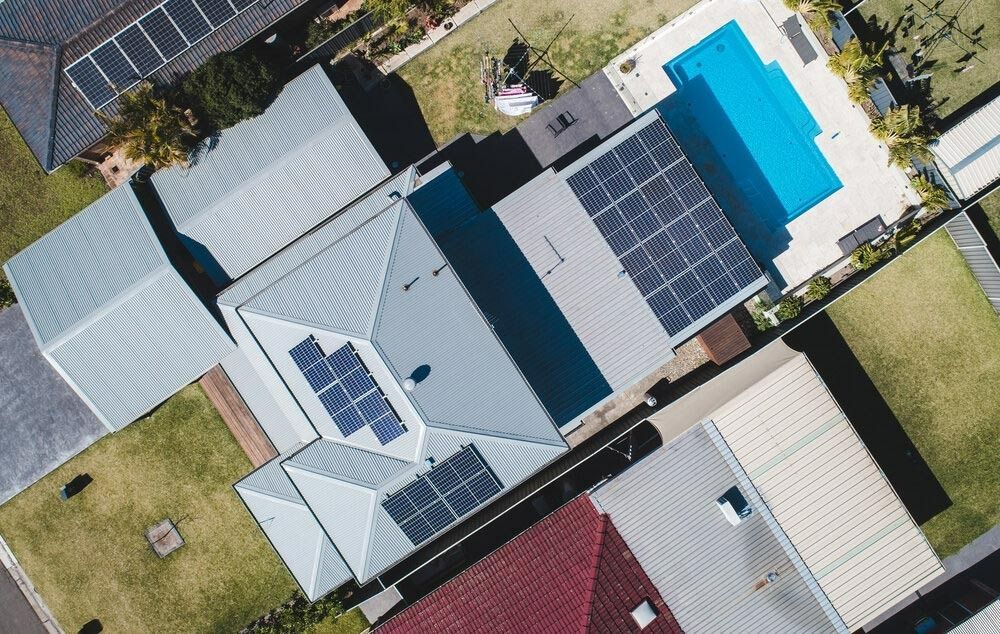
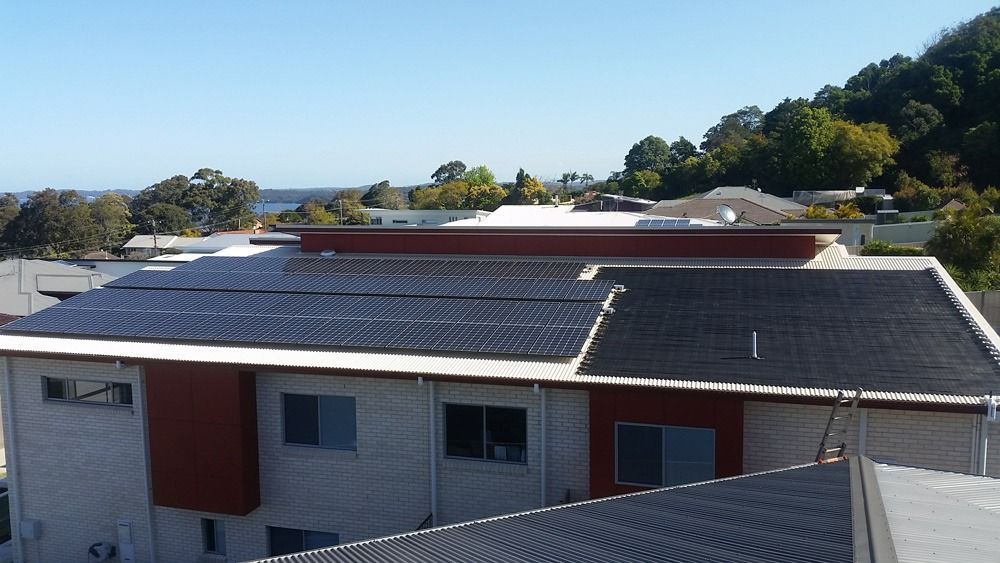
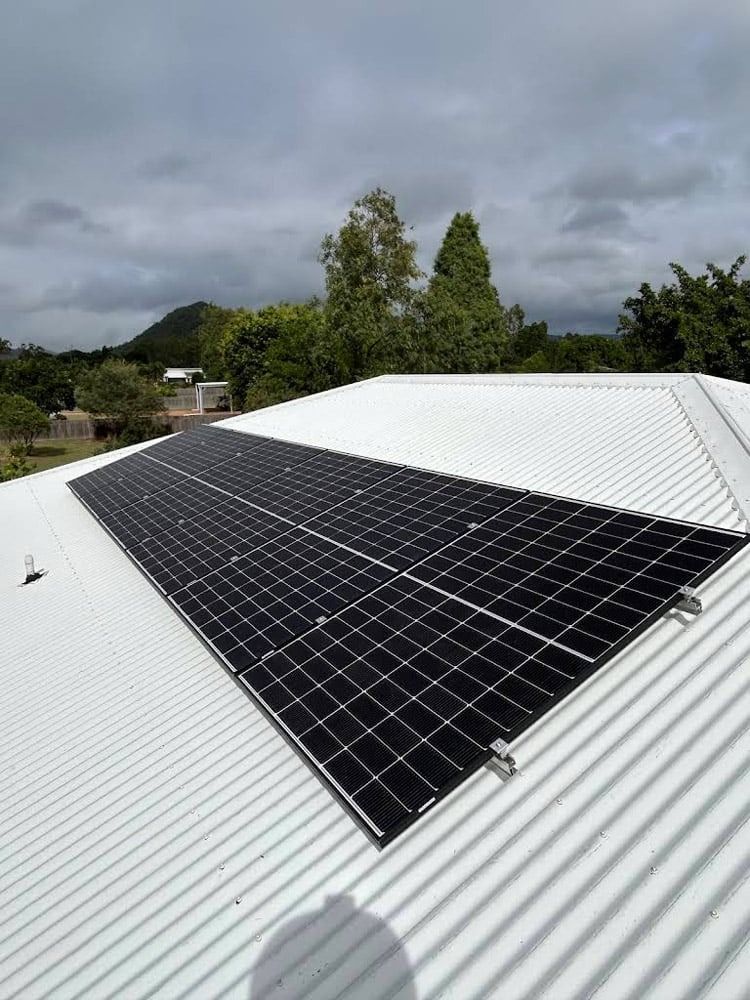
A homeowner installs a 6.6kW PV system on their roof. During daylight hours, sunlight hits the panels, which generate solar power. This electricity is then used to run appliances, and excess is sent back to the grid. This is solar energy converted into solar power.

Types of Systems That Use Solar Energy

Solar energy can be captured and used in different ways, not just for power generation. On the Central Coast, you may come across these types of systems:

Solar Water Heating

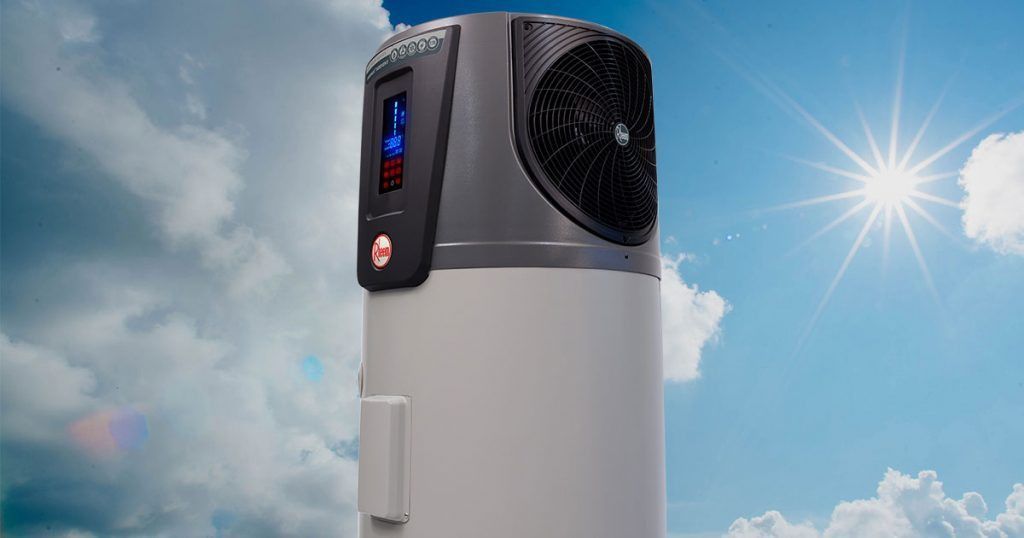
These systems use solar collectors to heat water directly using the sun’s heat — not electricity. They’re a popular choice in areas with strong sunlight and can help reduce household water heating bills.

Passive Solar Design

Homes designed with passive solar principles use natural sunlight to heat and cool indoor spaces. This includes strategic window placement, thermal mass flooring, and good insulation — all powered by the sun’s energy, not solar panels.

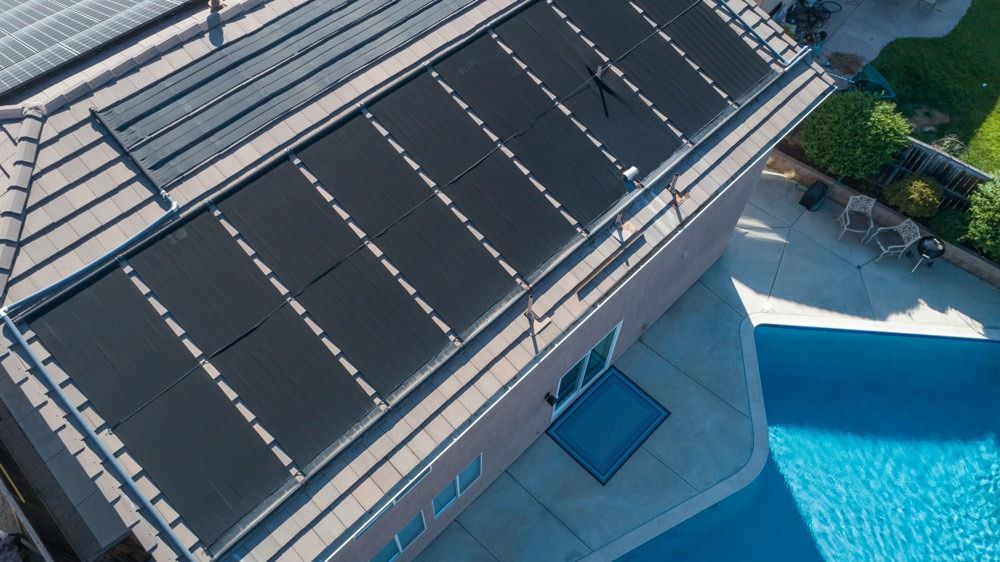
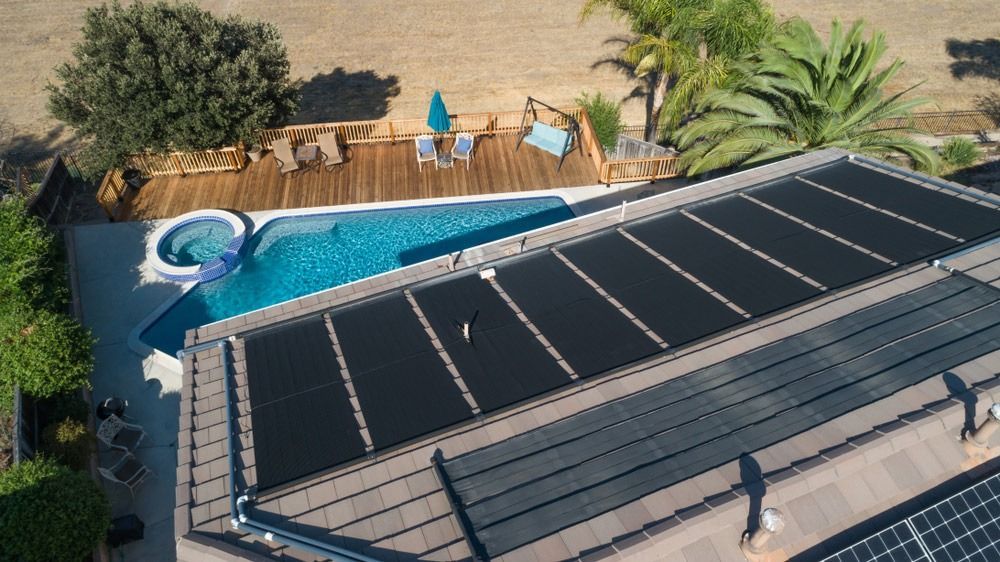
Solar Pool Heating

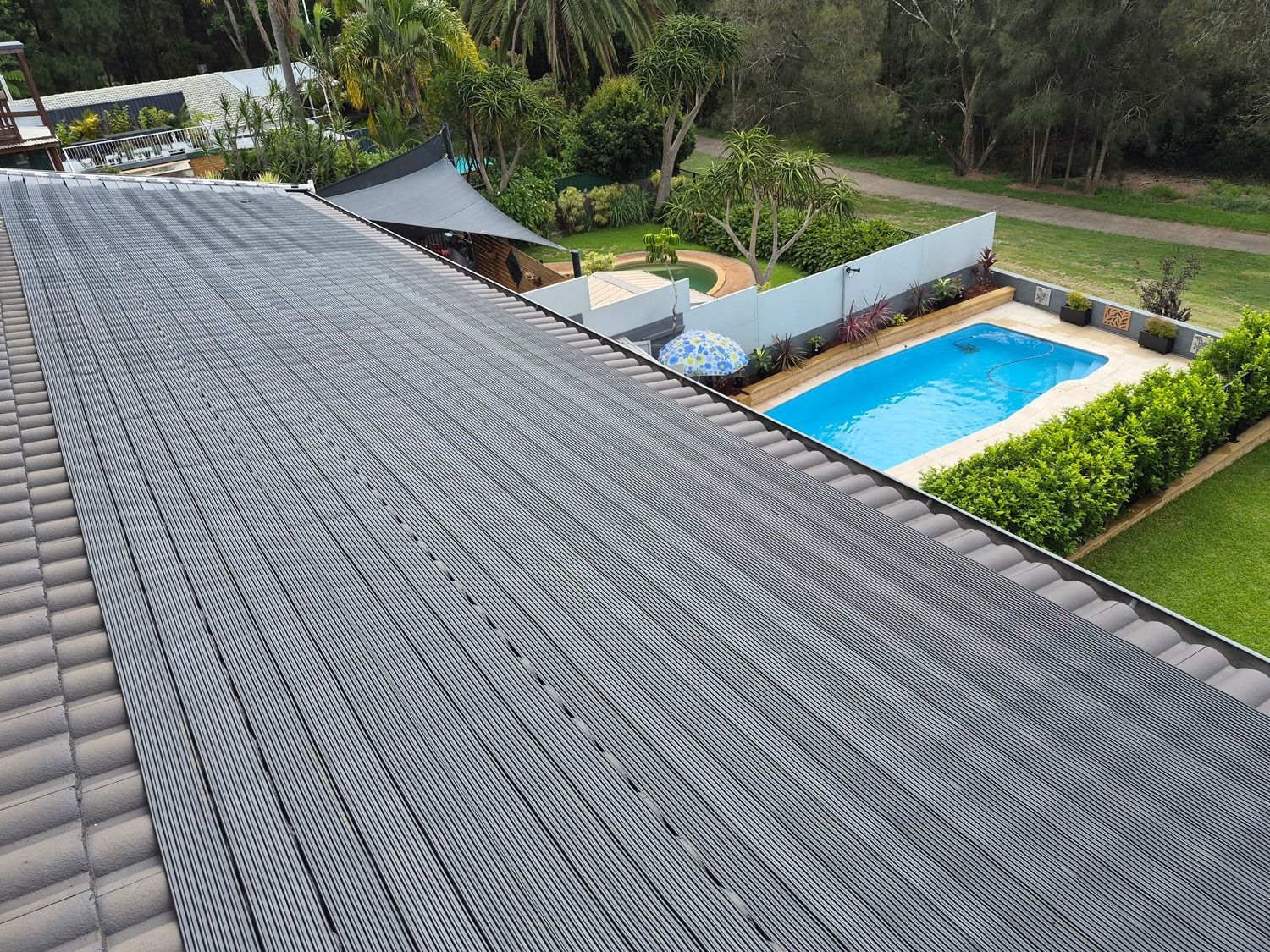
In this setup, pool water is circulated through solar collectors, where it’s warmed by the sun before returning to the pool. Again, no solar power is generated — it’s purely thermal solar energy use.

Systems That Generate Solar Power

When we talk about “going solar” in everyday terms, we’re usually referring to systems that generate solar power. These include:

Grid-Connected Solar Systems

These are the most common in homes and businesses. Solar panels generate power during the day, which is either used immediately or exported to the grid. These systems help reduce power bills and may be eligible for feed-in tariffs.

Off-Grid Solar Systems

These are used in remote locations or properties looking to be fully independent. They typically include solar panels, batteries, and backup generators. All power comes from solar sources.

Hybrid Systems

These systems combine grid connection with battery storage. They allow you to store solar power for use after dark, offering more control over energy use and reducing reliance on the grid.

Key Benefits of Solar Power on the Central Coast

If you’re considering installing a solar power system, here are the main benefits:

  • Lower electricity bills: Generate your own power during the day and reduce grid dependence.
  • Clean, renewable energy: Reduce your carbon footprint with every kilowatt generated.
  • Energy independence: Protect against rising power prices and future supply uncertainty.
  • Feed-in tariffs: Export surplus power and receive credit on your electricity bill.
  • Increased property value: Solar systems are seen as a value-add for potential buyers.

Choosing the Right Solar Services on the Central Coast

When exploring solar options, it’s important to work with a local provider who understands your energy goals and the regional conditions. A well-designed system accounts for:

  • Roof angle and orientation.
  • Household energy use patterns.
  • Budget and preferred return on investment.
  • Grid or off-grid preferences.
  • Product warranties and system performance over time.

With so many options on the market, selecting a provider that offers transparent advice, quality components, and local knowledge can make all the difference.

Start Your Solar Journey on the Central Coast Today

At Solar Services Central Coast, we support homeowners and small businesses with solar power solutions that match their needs and budget. Whether you’re new to solar or upgrading your current system, our team is here to guide you through the process with honest advice and trusted products.

Contact us today to learn how solar power can support your energy goals and reduce your household running costs.